Narrow Stair Access Removals in Norbiton Houses: Common Problems, Practical Fixes and Safer Moving Plans
Moving out of a Norbiton house with a tight staircase can feel like trying to turn a sofa through a letterbox. It is awkward, loud, stressful, and usually happens when you are already tired. That is exactly why understanding narrow stair access removals Norbiton houses common problems matters before moving day. The houses in and around Norbiton can be charming, but narrow landings, steep staircases, awkward turns and low ceilings can make even a simple move feel complicated. In this guide, we will walk through the real issues people run into, how professional movers approach them, and what you can do to keep the day calm rather than chaotic.
There is a practical side to all this, of course. A careful plan can reduce damage, save time, and make the move feel a lot less like a scramble. Let's face it, no one wants to stand halfway up the stairs, holding a wardrobe at an impossible angle, wondering why the hallway suddenly got smaller.
Why Narrow Stair Access Removals Norbiton Houses Common Problems Matters
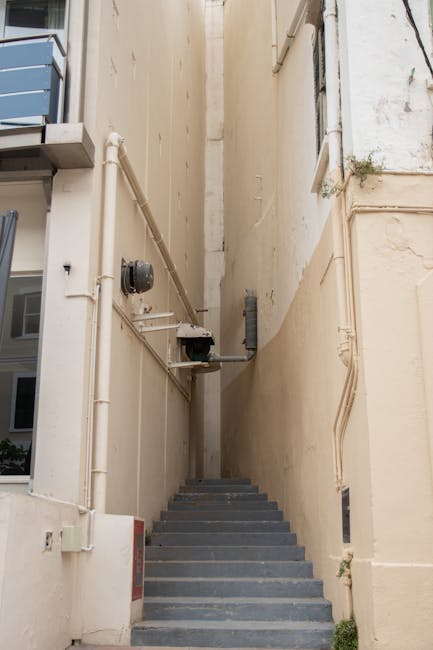
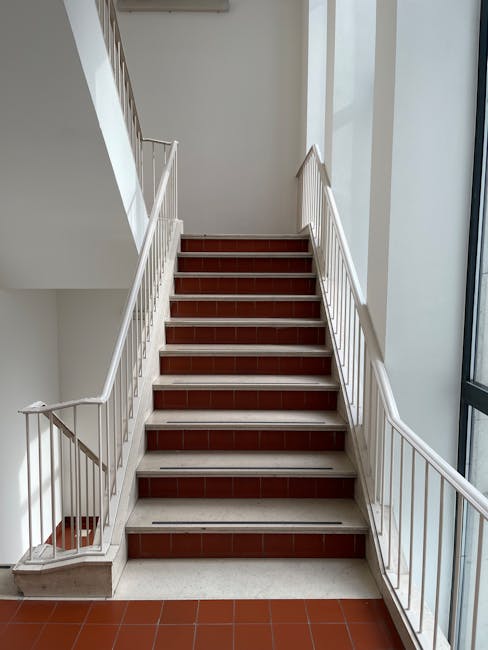
In a house with generous stairs, moving furniture is still hard work. In a house with narrow stairs, the difficulty multiplies very quickly. The issue is not just width. It is the combination of tight corners, awkward railings, low ceiling points, delicate walls and items that do not flex or fold when you need them to. A three-seater sofa that looked manageable in the lounge can become a stubborn obstacle the moment it reaches the staircase.
Norbiton homes often reflect older housing layouts, which can mean compact stairwells and internal routes that were never designed for modern furniture. That is why access planning is so important. A move can be perfectly organised on paper and still go sideways if the stair turn is too tight or the banister gets in the way. You notice the problem quickly, usually at the worst possible moment.
The common problems are often predictable, which is good news. Predictable means you can prepare. The most frequent issues include:
- furniture that cannot clear the stair bend
- damaged walls, paintwork, or handrails from repeated contact
- items getting stuck on the landing
- heavy lifts that are unsafe for one or two people
- poor route planning from front door to vehicle
- increased moving time and higher labour effort
These problems matter because they affect more than convenience. They influence safety, cost, stress levels and whether your belongings arrive intact. If you want a move that stays under control, the staircase has to be treated as a key part of the job, not an afterthought.
For many households, this is where a wider moving plan becomes useful. If you are organising a full move, it can help to look at broader support such as house removals or more flexible transport options like man and van. The right option depends on access, load size and how much lifting is involved. Simple enough in theory. Slightly messier in real life.
How Narrow Stair Access Removals Norbiton Houses Common Problems Works
A narrow-stair move starts with access assessment. That is the point where a mover checks whether large items can pass through the staircase, whether the staircase has a turning point, and whether there are any obvious obstructions such as bannisters, light fittings or tight hallway corners. In practice, this assessment may happen from photos, measurements, or an on-site visit, depending on the scale of the move.
The process usually follows a fairly logical sequence. First, the team identifies the largest and most awkward items. Then they compare item dimensions against the available route. If the route is too tight, they may suggest alternative handling methods, partial dismantling, or a different moving path. Sometimes the answer is straightforward. Sometimes it is a bit of a puzzle.
Common methods used in narrow stair access removals include:
- Measuring before moving day so the team knows which items are likely to fit.
- Dismantling furniture where possible, such as bed frames, table legs or shelving.
- Protecting the property with covers, blankets, floor protection and corner guards.
- Using a better lift plan so weight is shared safely between movers.
- Re-routing through windows, balconies or alternative exits only where appropriate and safe.
- Separating delicate or oversized items so they are handled in the right order.
The key is that the move is not just about strength. It is about sequencing. A well-planned removal job feels calm because each item is moved in the right order, with the right equipment and the right number of people. That is especially true where stair access is tight.
In some cases, the best support comes from combining the right labour with the right vehicle. A smaller vehicle can be easier to manage on local streets, and a service like removal van or removal truck hire may be considered depending on the volume of goods and access at both ends. The vehicle is only half the story, though. The stair route is where many moves win or lose their rhythm.
Key Benefits and Practical Advantages
When narrow stair access is handled properly, the benefits are real and immediate. You are not just avoiding hassle; you are preventing the kind of small damage and delays that can snowball into a long afternoon.
- Less risk of property damage - careful handling reduces knocks to walls, banisters and painted surfaces.
- Lower risk of item damage - large furniture is easier to move when the route is planned around it.
- Better crew safety - fewer awkward lifts mean fewer chances of slips, strains or dropped items.
- More predictable timing - access problems are one of the biggest causes of moving delays.
- Less stress for you - which, frankly, is worth quite a lot on moving day.
There is also a hidden benefit: a properly planned move tends to feel more respectful of the home. That matters if you are leaving a rented property and want to hand it back in good condition, or if you are moving into a house where the stairwell already feels tight and fragile. A narrow staircase can become a bottleneck very quickly, and the calmer the team is, the less the whole house seems to be holding its breath.
If packing is part of the challenge, it can also help to use packing and boxes or packing and unpacking services. Smaller, more consistent box sizes are easier to carry on narrow stairs than a random mix of overstuffed containers. Common sense, yes. But it gets overlooked all the time.
Who This Is For and When It Makes Sense
This kind of move is relevant for anyone living in a house where stairs are narrow, steep or awkwardly shaped. In Norbiton, that often includes terraced homes, older properties, and homes with compact internal layouts. If you have ever tried to carry a chest of drawers up a staircase and had to rotate it three times before it reached the landing, you already know the type.
It makes particular sense if you are:
- moving a family home with large furniture
- leaving a rented house and need careful handling
- moving into a property with restricted internal access
- relocating heavy or fragile items such as wardrobes, appliances or pianos
- short on time and unable to do multiple attempts
- worried about damaging plaster, stair rails or flooring
It is also useful for people who do not want to dismantle and rebuild everything themselves. Some items can be taken apart easily, some cannot, and some will appear simple until you are knee-deep in screws at 8:15 on a Monday morning. Not ideal.
Students, flat sharers and downsizers often underestimate access issues too. Even a modest load can become awkward if the stairwell is tight, especially when furniture has to be carried around people, pets, boxes and a not-quite-empty hallway.
If your move involves a smaller load but tricky access, a flexible service like man with van may suit you. If it is a larger household move with heavier items and a more structured approach, you may be better served by removals or home moves. The best choice is usually the one that matches the stairs, not just the sofa.
Step-by-Step Guidance
Here is a practical way to approach narrow-stair removals in a Norbiton house without turning the day into a guessing game.
1. Measure the route, not just the furniture
Measure stair width, landing depth, handrail clearance, ceiling height at the tightest point, and the size of any turns. Furniture dimensions matter, but route dimensions matter just as much. A 2cm gap can be the difference between a clean lift and a lot of muttering.
2. Identify the awkward items first
Start with the bulkiest or least flexible items: wardrobes, mattresses, sofas, beds, desks and large appliances. These are the pieces most likely to cause delays. Once those are sorted, the rest of the move usually becomes simpler.
3. Decide what should be dismantled
Some furniture is best taken apart before the move. Bed frames, modular shelving and certain tables are often easier to move in parts. If dismantling would weaken the item or take too long, keep it intact and plan a different route.
4. Protect the home before lifting anything
Put down floor protection, wrap sharp corners, and cover vulnerable surfaces. It is easier to spend a few minutes protecting the staircase than to spend the next day apologising for a scuffed wall. A little prep goes a long way.
5. Move the big items before the small clutter
This keeps the staircase clear. Small boxes can be shifted later, but if you crowd the hallway with loose items, you make the access problem worse. The first load should create space, not take it away.
6. Use the right number of people
Some items need three people, not two. Others need one person guiding and another steering from the top or bottom of the stairs. Trying to do it with too few hands is where avoidable accidents happen.
7. Keep communication simple
Use clear instructions such as "slow," "pause," and "turn now." Long explanations mid-lift are not helpful. In the moment, short and clear always wins.
8. Check both ends of the move
Narrow access at the pickup property is only half the story. The new house may have equally awkward stairs, tighter doors or a landing that looks more generous in photos than in reality. Truth be told, that happens a lot.
Expert Tips for Better Results
A few small decisions can make a big difference on move day.
- Photograph the stairwell from the bottom, the top and halfway up. Photos reveal awkward angles much better than memory does.
- Take measurements in daylight if you can. Dim hallways can make everything look bigger or smaller than it really is.
- Remove obstacles in advance such as shoes, mats, wall art and loose side tables.
- Label fragile items clearly so they are not used as "easy" carry pieces by mistake.
- Keep children and pets away from the route until the stair carrying is finished.
- Have tea, water and a short break ready. It sounds minor, but tired movers make slower decisions.
One practical tip that people often skip: test the turning motion with a cardboard template or a tape measure first. It is not glamorous, but it can stop a very expensive piece of furniture from becoming a staircase hostage. You do not need drama where a ruler will do.
If the move includes especially heavy or awkward possessions, such as a family piano or large antique cabinet, it may be worth considering specialist handling through piano removals or carefully planned furniture removals. That kind of item has its own rules, and for good reason.
Common Mistakes to Avoid
The most common mistakes are surprisingly ordinary. That is what makes them risky. People assume the staircase will be "fine" until the moment it clearly is not.
- Guessing measurements instead of checking them.
- Leaving dismantling too late and then discovering the right tools are missing.
- Underestimating wall protection because the staircase "looks wide enough".
- Booking the wrong size vehicle for the volume of items and the route.
- Ignoring the new property's access and focusing only on the old one.
- Trying to force oversized furniture through a staircase that clearly will not cooperate.
- Not planning the order of load-out, which creates congestion indoors and outside.
A subtle mistake is failing to tell the movers about the difficult stair access early enough. Once the team arrives, they can still adapt, but the more they know in advance, the better the plan. Nobody enjoys discovering a hidden twist after the van has already parked and the rain has started. That one is a classic.
Tools, Resources and Recommendations
You do not need a van full of specialist kit to manage a narrow stair move well, but a few useful tools make the process smoother.
| Tool or resource | Why it helps | Best used for |
|---|---|---|
| Tape measure | Checks stair width, landing depth and furniture size | Planning the route |
| Protective blankets | Reduces scuffs and scratches | Stair rails, doors and furniture edges |
| Furniture sliders | Helps with controlled movement on the floor | Heavy items before lifting |
| Straps and harnesses | Improves grip and load distribution | Bulkier pieces and awkward corners |
| Flat-pack tools | Speeds up dismantling and reassembly | Beds, tables and shelving |
| Clear labels | Helps keep the move organised | Boxes, fragile items and priority loads |
For many homes, the practical support that matters most is not one single tool but the overall service fit. If you need a simple point-to-point move, man with a van can be a sensible option. If you need a more complete setup with a bigger load, you may prefer removal services. If space after the move is tight or the handover is delayed, storage can take some pressure off the schedule.
And yes, a notebook still helps. Old-fashioned, maybe, but handy when you need to remember which bed bolt belongs to which frame at the end of a long day.
Law, Compliance, Standards and Best Practice
For home moves involving narrow stair access, the main compliance concerns are health and safety, safe lifting, and property protection. In the UK, moving teams are expected to work carefully, assess risks sensibly and avoid putting people or property in unnecessary danger. That is the everyday standard, even when no one is quoting regulations out loud.
Best practice usually includes:
- proper manual handling and team lifting
- risk awareness around slips, trips and falls
- clear communication between movers and household occupants
- reasonable protection for walls, doors, floors and bannisters
- careful handling of fragile or high-value items
If you are choosing a removals provider, it is sensible to ask how they approach access checks, insurance and safety planning. A reputable company should be able to explain its process plainly. If the answer sounds vague, that is usually a sign to keep asking questions.
For additional confidence, it may help to review the company's published health and safety policy and insurance and safety information, especially if the move involves valuable furniture or very tight stair access. You do not need a legal seminar. You just need to know the basics are being taken seriously.
Options, Methods and Comparison Table
Not every narrow-stair move needs the same approach. The best method depends on the size of the load, the shape of the staircase, and how much time you have.
| Method | Best for | Pros | Limitations |
|---|---|---|---|
| Standard removals team | Most full house moves | Structured, efficient, good for larger loads | May be more than you need for a small move |
| Man and van | Smaller moves with tricky access | Flexible, often practical for local jobs | Not always ideal for very heavy or bulky loads |
| Full house move support | Family homes and larger inventories | Better planning, more labour, more coordination | Usually costs more than a light-touch option |
| Storage plus staged move | When access is tight and timing is split | Reduces pressure, allows sorting in phases | Requires extra coordination |
The comparison is not about one method being "best" in the abstract. It is about fit. A small move with one awkward wardrobe may be perfectly manageable with a lighter service. A bigger household move with stair bends, fragile finishes and a tight schedule is a different story entirely.
If you are comparing options, it can help to review removal companies alongside practical service pages such as flat removals or house removalists. The better choice is the one that answers your actual access problem, not just the one with the neatest brochure.
Case Study or Real-World Example
A typical Norbiton scenario might look like this. A couple are moving out of an older two-storey house with a narrow staircase and a sharp turn at the landing. The main challenge is a large sofa, a wardrobe and a chest freezer. The hallway is compact, the banister sticks out slightly, and there is just enough room to create trouble.
Before moving day, the team measures the route from the front door to the upstairs landing, checks the sofa depth, and confirms which pieces can be dismantled. They decide the wardrobe should come apart, the sofa will need a careful tilt-and-turn lift, and the freezer will go out first while the stairwell is still clear. Protective coverings are laid down, and one mover stays free to guide at the tight corner.
What makes the difference here is not brute force. It is sequencing and patience. The movers do not rush the turn. They pause, reset the angle, and keep the walls protected. The move takes a bit longer than a normal one, but nothing gets damaged and nobody ends the day with a sore back and a story they would rather not repeat.
That sort of outcome is very achievable. It is just rarely accidental.
Practical Checklist
Use this checklist before moving day if your Norbiton house has narrow stair access.
- Measure the staircase width, landing depth and ceiling clearance.
- Measure the largest items you need to move.
- Identify which furniture can be dismantled safely.
- Clear hallways, landings and stair edges of clutter.
- Protect floors, corners and bannisters.
- Tell the moving team about tight access in advance.
- Confirm whether the new property has similar access issues.
- Decide what should be moved first.
- Keep tools, tape, labels and padding within easy reach.
- Allow extra time for awkward or fragile items.
- Check whether storage or staging would reduce pressure.
- Make sure pets and children are kept away from the route.
If you can tick most of those off, the move is already in a much better place.
Conclusion
Narrow stair access can turn a normal house move into a genuine logistics challenge, but it does not have to become a disaster. With clear measurements, the right moving method, sensible packing and a realistic plan for awkward furniture, Norbiton house removals can stay controlled and far less stressful than people expect.
The common problems are usually the same ones: tight turns, bulky items, unsafe lifting, and damage to walls or bannisters. The good news is that they are all manageable when handled early. Think of the staircase as part of the move, not a background detail. That small shift in mindset makes a huge difference.
If you want the job handled with care, it helps to work with a team that understands local access challenges and plans around them properly. A calm move is rarely an accident, and honestly, that is half the relief.
Get a free quote today and see how much you can save.
Frequently Asked Questions
What are the most common problems with narrow stair access removals in Norbiton houses?
The most common problems are tight turns, low ceilings, bulky furniture that will not angle properly, and damage risks to walls or bannisters. Timing can also slip if access is not planned in advance.
How do movers check whether furniture will fit up a narrow staircase?
They usually compare furniture measurements with stair width, landing space and turning clearance. Photos can help, but proper measurements are better. A quick visual guess is often where trouble starts.
Do I need to dismantle furniture before a narrow stair move?
Not always, but many large pieces are easier and safer when partly dismantled. Beds, wardrobes and shelving are common examples. If dismantling weakens the item, another route may be better.
Can a sofa be moved through a very narrow staircase?
Sometimes yes, sometimes no. It depends on the sofa size, stair geometry and whether the frame can be flexed or turned safely. If the route is tight, the team may need to remove legs or change the lift plan.
Is a man and van service enough for narrow stair access?
It can be, if the load is small and the access challenge is manageable. For larger loads, heavier items or multiple awkward pieces, a more structured removals service is usually the safer choice.
How can I protect my walls and bannisters during the move?
Use floor protection, blankets, corner guards and careful lift positioning. Keeping the route clear also reduces contact. Protection works best when it is done before the first item starts moving.
What should I tell the removals company before moving day?
Tell them about stair width, sharp turns, low ceilings, parking limitations and any especially large items. The more they know, the better they can plan labour, timing and equipment.
Are narrow stair removals more expensive?
They can be, because they often take more time, more labour and extra planning. The exact cost depends on the load, access difficulty and whether dismantling or storage is needed.
What happens if an item cannot fit through the stairs?
The team may try a different angle, dismantle the item further, or use another route if it is safe and appropriate. If none of those options work, the item may need to be moved separately or stored.
Do I need insurance for a move with difficult stair access?
It is sensible to check that the removals provider has suitable insurance and safety procedures. That is especially important where access is tight, items are valuable, or the property has delicate finishes.
Is it worth using storage if the stairs are too tight?
Yes, sometimes storage makes the whole move easier. It allows you to move in stages, reduce pressure on the staircase, and deal with difficult items separately rather than forcing everything through at once.
How far in advance should I plan a narrow stair move?
As early as possible. Even a short move benefits from advance measurements and a clear plan. A few days' lead time is better than a rushed guess on the morning itself.