Kingston Council bulky waste rules disposal fines and removals: a practical local guide
If you are trying to get rid of a sofa, mattress, broken wardrobe, or a pile of household clutter, the rules around Kingston Council bulky waste rules disposal fines and removals can feel oddly complicated. One minute it seems like "just leave it out," and the next you are worrying about fly-tipping, missed collections, or a fine that could have been avoided. To be fair, that confusion is common.
This guide explains how bulky waste disposal works in Kingston, why the rules matter, what can trigger penalties, and when a private removal service is the safer, faster choice. You will also find a step-by-step process, common mistakes to avoid, and a practical comparison of your options. If you want the short version: plan ahead, keep the waste contained, use the correct collection route, and do not assume that "someone else will sort it out."
One small note before we get into it. Council processes can change, and collection terms can vary depending on item type, location, and availability. So treat this as a clear, practical overview rather than a substitute for checking the latest local rules.
Why Kingston Council bulky waste rules disposal fines and removals Matters
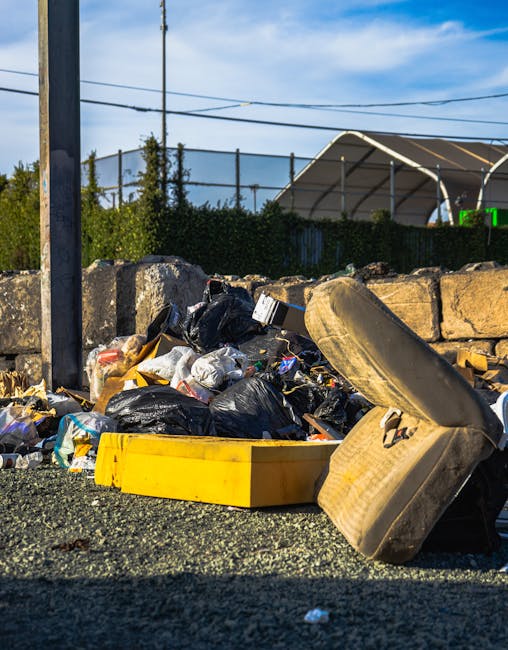
Bulky waste is not just "big rubbish." It is the kind of waste that needs a bit more thought: furniture, white goods, large household items, and the odd object that looks harmless until you try to move it down a narrow hallway. In Kingston, the rules matter because bulky items can create safety issues, block pavements, attract complaints, and, in the worst cases, lead to enforcement action if they are dumped improperly.
Let's face it, most people are not trying to cause trouble. They are clearing a flat, replacing furniture, or dealing with a move on a tight deadline. But a rushed decision can turn into a problem quickly. Items left on the street without permission, placed out too early, or abandoned near communal bins can be treated as fly-tipping or nuisance waste. That is where fines, warnings, and removal costs can come in.
There is also a practical side. If you are moving home, managing a rental, emptying an office, or helping a family member clear a property, the right disposal route saves time and avoids stress. A good plan can also reduce lift-down damage, neighbour complaints, and the classic "who is taking the mattress?" conversation. Nobody enjoys that one.
Practical takeaway: bulky waste rules are less about making life difficult and more about keeping streets clear, collections safe, and disposal traceable. If you understand the process, you are far less likely to face delays or penalties.
How Kingston Council bulky waste rules disposal fines and removals Works
At a basic level, bulky waste disposal in Kingston usually follows one of two routes: a council collection or a private removal service. The best choice depends on what you are disposing of, how quickly you need it gone, and how much handling is involved.
1. Council collection route
For many residents, the council's bulky waste collection option is the first stop. It is usually intended for larger household items that do not fit in normal bin collections. The exact booking process, item limits, pricing, and collection conditions can vary, so you should always check the current local arrangements before booking.
What usually matters in practice is this: items must be ready for collection in the way the council specifies. If not, they may be left behind. That can be annoying on a wet Tuesday morning when you have already hauled a wardrobe into the hall and it is now leaning at an angle you never intended.
2. Private bulky waste removal
A private removal service can be useful when the job is bigger, quicker, or more awkward than a standard collection. This is common for end-of-tenancy clearances, mixed furniture loads, same-day needs, and situations where the item needs carrying from upstairs, lofts, or tight access properties.
For example, if you are clearing a flat in Kingston and need more than one bulky item removed, a private service may be more flexible than waiting for a council slot. If you are also dealing with packing, moving, or storage, it can make the whole process easier to coordinate. You can often pair bulky item removal with removals, or if the job is smaller, a man with van option may be the better fit.
3. What can trigger fines or enforcement
In the real world, penalties tend to arise from bad placement, illegal dumping, or ignoring collection rules. Common triggers include:
- Leaving waste on the street without authorisation
- Putting items out before the agreed collection time
- Failing to separate items when required
- Dumping rubbish near communal bins or alleyways
- Using unlicensed or careless clearance methods
- Allowing waste from a move or clearance to be abandoned by accident
If you are unsure whether a bulky item qualifies for council collection, it is better to ask before you act. That single phone call or booking check can save a lot of hassle later.
Key Benefits and Practical Advantages
When handled properly, bulky waste removal is not just about getting things out of the way. It can make a property safer, cleaner, and easier to manage. That matters whether you are a homeowner, tenant, landlord, estate agent, or business owner.
- Less risk of fines: following the correct route reduces the chance of enforcement action or complaints.
- Cleaner property presentation: especially useful before a sale, tenancy handover, or refurbishment.
- Safer access: bulky items can block hallways, stairwells, and exits.
- Better time control: a planned removal is easier than a last-minute scramble.
- Less physical strain: heavy lifting is no joke, especially with awkward furniture or appliances.
- More predictable costs: you can compare council collection, private removal, and any extra handling needs.
In many cases, the real benefit is peace of mind. Once the old sofa, bed frame, or broken desk is gone, the space feels different. Quieter, even. More usable. You notice it straight away.
Who This Is For and When It Makes Sense
This topic matters to a wide mix of people, and not all of them are clearing out an entire house. Sometimes it is just one awkward item that has become a problem.
Homeowners and tenants
If you are replacing furniture, redecorating, or moving out, bulky waste rules help you avoid leaving items behind in the wrong place. Tenants should be particularly careful in shared buildings, where one person's abandoned mattress can quickly become everyone's complaint.
Landlords and letting agents
End-of-tenancy clearances often involve mixed waste, old furniture, and leftover household items. A landlord or agent needs a process that is quick, documented, and safe. If a property is being turned over between tenants, a reliable removal plan can prevent delays to cleaning, inventory checks, and re-marketing.
Families supporting a relative
Sometimes the need is sensitive rather than urgent. You may be helping an older relative downsize, or sorting through furniture after a hospital move or care transition. In those cases, a calm, organised approach matters more than speed alone.
Businesses and offices
Office chairs, desks, filing cabinets, and reception furniture all count as bulky items in practice. Office clear-outs can get messy fast, particularly if there is a deadline for vacating a unit. If that sounds familiar, a commercial service may fit better than a standard household collection. For larger workplace clearances, office removals can be more suitable than ad hoc disposal.
So when does it make sense to use a private removal service rather than the council route? Usually when the load is mixed, urgent, heavy, upstairs, or part of a wider move. In other words, when the job is more than "one item by the kerb."
Step-by-Step Guidance
Here is the safest way to handle bulky waste without creating extra stress or risk. The process is simple, but the little details matter.
- Identify the items clearly. Make a list of every bulky item, including size, weight, and whether anything is fragile, sharp, or awkward to carry.
- Check whether they can be collected. Some items may need special handling, disassembly, or a different disposal route. Mattresses, white goods, and large furniture often need extra thought.
- Decide whether council collection or private removal suits you. If timing is flexible and the load is small, a council collection may work. If access is tight or the job is urgent, private removal may be easier.
- Prepare the items properly. Remove loose contents, secure doors or drawers, and separate any materials if asked to do so. A wobbly chest of drawers at the top of the stairs is nobody's favourite moment.
- Choose a safe collection point. Follow the council's placement instructions exactly. Do not block pavements, entrances, or shared access routes.
- Confirm the booking details. Double-check dates, times, payment, and what needs to be left out. If collection windows are given, keep to them.
- Keep proof of arrangement. Save booking confirmations, payment receipts, and any written instructions in case there is a query later.
- After collection, inspect the area. Make sure nothing has been left behind and the space is safe and clear.
If you are using a private service, ask in advance whether labour for stairs, loading, and dismantling is included. That is where hidden surprises often creep in. There is nothing glamorous about finding out on the day that the wardrobe needs to be partly dismantled in a hallway that is already too narrow.
Expert Tips for Better Results
The difference between a smooth job and a frustrating one often comes down to planning. Not perfect planning. Just decent, realistic planning.
- Measure first. Doorways, stair turns, lift sizes, and pavement access can change the whole plan.
- Group items by type. Keep furniture, electrical items, and general rubbish separate where practical.
- Take photos before moving anything. This can help if you need to explain item condition, access, or collection issues.
- Break larger items down if safe. Flat-pack furniture, bed frames, and shelving often become easier once dismantled.
- Do not leave it too late. A Friday afternoon clearance sounds fine until you realise everyone else had the same idea.
- Think about neighbours. Shared hallways and front paths need to remain clear and tidy.
- Ask about recycling or re-use. Good furniture does not always need to become waste. That is better for your conscience and, often, for the load itself.
One small but useful habit: keep screws, brackets, and fittings in a labelled bag taped to the item or stored together. It sounds fussy. It saves time. Every time.
Common Mistakes to Avoid
Most bulky waste problems are avoidable. The same mistakes come up again and again, and they are usually simple things that snowball.
Leaving items out too early
Placing bulky waste on the pavement well before collection can lead to complaints or enforcement. It can also make the street look untidy and tempt others to dump extra rubbish beside it.
Assuming every item can be collected the same way
Not all bulky waste is treated equally. A mattress, a broken fridge, and an old wardrobe may each need a different approach. If in doubt, check rather than guess.
Using a random clearance option without checking credentials
This is a big one. If someone offers to "take it away cheaply" and then dumps it elsewhere, you could end up tied to the problem. That is the kind of saving that gets expensive later. The wording may sound dramatic, but this really does happen.
Forgetting about access and loading time
People often focus on disposal and forget the physical move. Can the item fit through the hallway? Is parking available? Are there stairs, turns, or fragile walls to protect? These details matter more than you might expect.
Mixing hazardous or restricted items with normal bulky waste
Some items need special handling because of fire risk, electrical parts, fluids, or sharp components. Do not just tuck them in with the rest and hope for the best.
Tools, Resources and Recommendations
You do not need specialist equipment for every job, but a few basic tools can make the process safer and cleaner. Here is what helps most often in real life.
- Measuring tape: for doors, lifts, hallways, and item sizes.
- Gloves: useful for splinters, dust, and sharp edges.
- Blankets or covers: to protect floors and walls during moving.
- Tape and labels: to keep screws, fixings, and item parts together.
- App or notes list: for booking details, item inventory, and timings.
- Simple screwdriver or Allen key set: handy if disassembly is needed.
For readers comparing services, it can also help to look at wider support pages on the same website. If you are dealing with a full property move, the home moves page may be relevant. If the job is smaller and local, furniture removals or furniture pick-up can be useful starting points.
You may also want to review the company's pricing and quotes information so you know what factors affect the cost. That usually helps avoid surprises, which is always nice.
Law, Compliance, Standards, or Best Practice
Bulky waste is not just a household nuisance issue; it sits close to waste compliance, public safety, and environmental responsibility. In the UK, the general principle is straightforward: waste should be stored, moved, and disposed of responsibly, and it should not be abandoned in a way that creates a hazard or nuisance.
For residents, that means following the council's instructions and using the proper collection route. For landlords and businesses, it means taking extra care with duty of care responsibilities, access safety, and documentation. Even when a clearance seems minor, it is worth treating it seriously.
Best practice usually includes:
- Using a legal and traceable disposal route
- Keeping evidence of bookings, receipts, or handovers
- Not leaving waste where it blocks access or public space
- Separating reusable items from waste where possible
- Making sure workers are protected from lifting or sharp-object risks
If you want a broader picture of site safety and service standards, the company's health and safety policy, insurance and safety information, and recycling and sustainability approach are worth reading. Those pages are helpful when you want to compare providers in a more informed way.
Truth be told, compliance sounds dry until something goes wrong. Then it becomes very interesting, very quickly.
Options, Methods, or Comparison Table
There are several ways to deal with bulky waste in Kingston, and the best one depends on your timeline, item type, and how hands-on you want the process to be.
| Method | Best for | Pros | Watch-outs |
|---|---|---|---|
| Council bulky waste collection | Small to moderate household items | Official route, straightforward for eligible items | May have booking rules, collection windows, or item limits |
| Private removal service | Urgent, heavy, awkward, or mixed loads | Flexible, faster, often includes lifting and loading | Costs vary by access, labour, and volume |
| DIY transport to a disposal point | People with suitable vehicle access and time | Full control over timing | Requires lifting, fuel, parking, and correct disposal arrangements |
| Reuse, donation, or resale | Usable furniture and appliances | Can reduce waste and save money | Not every item is suitable, and timing can be unpredictable |
In simple terms, the council route is often best for ordinary, planned household clearances. Private removal wins when access is hard, time is tight, or the load is bigger than a standard booking can handle. DIY is fine for some people, but it is not always the bargain it first appears to be once you factor in time, parking, and the joy of carrying a heavy table into a van in the rain.
Case Study or Real-World Example
A typical Kingston scenario looks something like this. A tenant is moving out of a one-bedroom flat near the town centre. They have a bed frame, a worn sofa, and a small desk to remove before the final inventory. At first, they think they can leave everything outside on the morning of the move. Then they realise the collection timing is tighter than expected, the hallway is narrow, and the sofa is heavier than it looked in the photos online. Classic.
Instead of risking a bad placement or a missed deadline, they compare the disposal options. The council route might work for the bed frame if booked in time, but the sofa and desk need careful lifting and maybe disassembly. Because the move is already busy, they choose a private removal service that can load everything in one visit and clear the items from inside the flat.
The result is straightforward. No clutter left behind, no awkward conversation with the landlord, and no items sitting on the pavement waiting for an official slot. More importantly, the move day is calmer. Not easy, exactly, but calmer.
This is the part many people overlook: bulky waste is rarely just about waste. It is usually tied to a bigger life event - a move, a breakup, a renovation, a bereavement, a first flat, a final clear-out. That context matters.
Practical Checklist
Use this checklist before you arrange any bulky waste disposal in Kingston:
- Have you identified every item that needs removing?
- Do you know whether the item is eligible for council collection?
- Have you checked the collection instructions and timing?
- Do you know where the item should be placed?
- Have you considered whether the item can be reused, donated, or sold?
- Is the item safe to move without dismantling?
- Do you have the right tools, bags, tape, or protective coverings?
- Have you confirmed the cost and any extra charges?
- Will the route be clear on collection day?
- Have you kept a record of the booking or agreement?
If you can tick most of those boxes, you are already ahead of the game.
Conclusion
Dealing with bulky waste in Kingston does not need to be complicated, but it does need a bit of care. The key is to use the right route, follow the local collection rules, and avoid the shortcuts that lead to fines, complaints, or extra work later. Whether you are clearing one item or managing a full property changeover, a calm, practical approach usually pays off.
For many people, the best answer comes down to timing and access. If the waste is straightforward, a council collection may be enough. If the load is urgent, heavy, or part of a bigger move, a private service can save time and reduce stress. Either way, the smartest move is to plan before the item is already on the pavement. That is where problems usually start.
Get a free quote today and see how much you can save.
And if you are still weighing things up, that is completely normal. A good bulky waste plan is not flashy. It just quietly makes life easier, which is often exactly what you need.
Frequently Asked Questions
What counts as bulky waste in Kingston?
Bulky waste usually means large items that do not fit in normal household bins, such as sofas, mattresses, wardrobes, tables, white goods, and other oversized household objects. Exact eligibility can depend on the collection route and the item itself.
Can I leave bulky waste on the pavement for collection whenever I want?
No. Items usually need to be placed according to the collection rules and timing you have been given. Leaving them out too early can cause complaints or enforcement issues.
What happens if I put rubbish out incorrectly?
Incorrect placement can lead to missed collection, neighbour complaints, or, in some cases, fines or enforcement action if the waste is treated as fly-tipping or nuisance dumping.
Is council bulky waste collection cheaper than private removal?
Sometimes, yes, especially for a small number of eligible items. But private removal can be better value when you factor in labour, time, access issues, or the need for same-day service.
Do I need to dismantle furniture before removal?
Not always, but dismantling can make collection safer and easier. It often depends on the size of the item, the access route, and whether the service you choose includes disassembly.
Can I mix bulky waste with general rubbish?
It is usually better not to. Mixed loads can create handling problems and may mean the items are not accepted as planned. Separate materials where possible and check collection instructions carefully.
What if I need urgent bulky waste removal in Kingston?
If you are short on time, a private removal service may be more practical than waiting for a council slot. That is especially true if you are moving out, clearing a property, or working to a deadline.
Are there items that need special disposal?
Yes. Some items, such as certain electrical goods, appliances, or anything with hazardous components, may need special handling. Always check before putting them out with standard bulky waste.
How do I avoid fines for bulky waste disposal?
Use the correct collection route, place items only as instructed, keep proof of your booking, and do not abandon waste in public areas. If a clearance is more complex than expected, get help early rather than improvising.
What should I compare when choosing a removal service?
Look at what is included in the price, whether lifting and loading are covered, how quickly they can attend, whether they can handle stairs or awkward access, and whether they offer clear pricing and safety information.
Is it worth keeping reusable furniture out of the waste stream?
Often, yes. If an item is in decent condition, reuse or donation may be better than disposal. It can save money, reduce waste, and make the clearance feel less wasteful overall.
Where can I find more help if I am moving and need other services too?
If your bulky waste clear-out is part of a bigger move, you may want to look at same-day removals, house removals, or the main removal services offering so you can coordinate everything in one place.